
How Long Does a Full Bathroom Refit Take
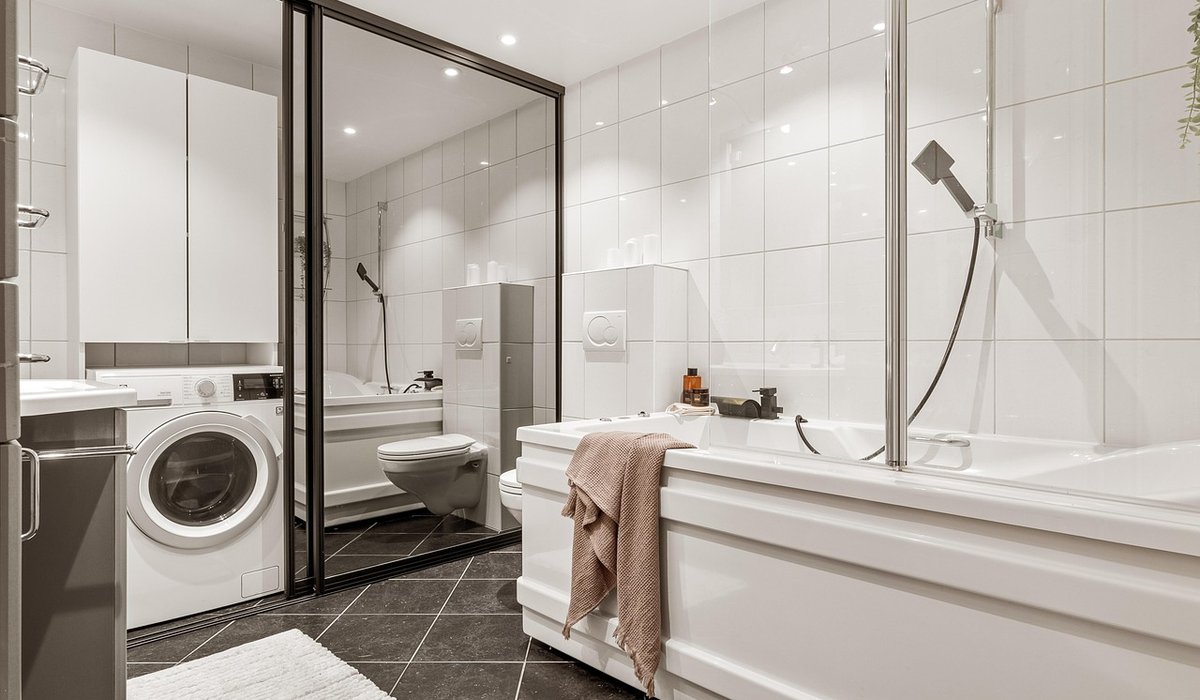
How Long Does a Full Bathroom Refit Take?
Ask five homeowners in the UK how long their bathroom refit took, and you will get five different answers. The truth is that a full refit is not one job but a sequence of jobs, each of which depends on the one before it. Waterproofing needs time to cure, tiling needs time to dry, and pipework has a habit of revealing surprises the moment you lift the floorboards.
For most UK homes, a straightforward full bathroom refit takes between two and four weeks of active work, with the room usually out of action for three to five weeks once you allow for drying time and small snags. A simple like-for-like swap in a small bathroom can be done in around ten working days, while a layout change involving new drainage, underfloor heating or a wet room can stretch to six or seven weeks.
The Typical Week-by-Week Schedule
Here is how a realistic three-week project tends to unfold. Timings assume one or two trades working on site and a room of roughly 4 to 6 square metres.
- Days 1–2: Strip out. The old suite, tiles, flooring and any boxing come out. The skip is booked, water is isolated and the room is reduced to bare walls and floor.
- Days 3–5: First fix. New pipework, waste runs and electrics go in. This is when anyone discovers rotten joists, failed soil pipes or old lead supply pipes that were never on the drawings.
- Days 6–8: Preparation and waterproofing. Walls are boarded or skimmed, the floor is levelled, and tanking goes onto the wet areas. Tanking needs at least 24 hours to cure before tiling begins.
- Days 9–13: Tiling. Walls first, then the floor, allowing adhesive and grout to set between stages.
- Days 14–18: Second fix. The bath, tray, basin, toilet, brassware and shower are fitted, followed by sealing and a first test run.
- Days 19–21: Finishing. Paintwork, trims, a final clean and the snagging list.
Weekends and delivery delays regularly add a few days. If your fitter is working on another job at the same time, expect the calendar to stretch even if the total hours do not change.
What Adds Time to a Bathroom Refit
The biggest single factor is whether the layout stays put. Keeping the toilet, basin and bath or shower in their existing positions means soil and waste pipes can be reused, saving days of work. Moving the toilet is the most costly change, because soil pipes need a fall of roughly 1 in 40 and cannot run uphill.
Other common time-eaters include:
- Unexpected pipework or wiring hidden behind old tiles or beneath floorboards, which has to be rerouted or replaced before anything else continues.
- Failed tanking or joist damage discovered when the old floor comes up, often caused by a slow leak that went unnoticed for years.
- Specialist finishes such as microcement, large-format tiles, wet rooms or underfloor heating, each of which adds days rather than hours.
- Ordering problems. A delayed shower valve or a tiler waiting on tiles can idle the whole project, so order everything before strip-out begins.
- Older properties. Victorian and Edwardian homes often have uneven walls, shallow joists and pipework that has been added to over decades.
Signs of a Realistic Programme
A good quote should break the work down into phases rather than give one vague number. Ask how many days are allocated to strip-out, first fix, tanking, tiling and second fix, and ask who is responsible for each trade. A written programme that names the drying times is a reassuring sign, because it shows the fitter understands that rushing adhesive or tanking leads to cracked grout and leaks later.
You should also expect a contingency of roughly ten to twenty per cent. If a fitter promises a flawless two-week turnaround with no allowance for problems behind the walls, they are either very lucky or quietly planning to cut corners. In a house more than thirty years old, assume something unexpected will surface.
Living Through the Work
If you have a second bathroom or a downstairs cloakroom, life is much easier. If not, plan for washing at the sink, using a kettle for hot water and visiting a relative or gym for showers. Keep a clear route to the stopcock, protect carpets and stairwells with dust sheets, and accept that dust travels further than you think.
It also helps to decide early where the new fixtures will sit, what the floor finish will be, and whether you want a heated towel rail on the same circuit as the lighting. Every decision made after first fix costs time.
Keeping the New Bathroom in Good Order
Once the job is finished, a little maintenance protects the investment. Run the extractor fan for at least ten minutes after a shower, reseal silicone joints as soon as they discolour, and check under the basin and around the tray every few months for damp patches. Grout in wet areas benefits from a reseal every year or two.
Look after the ventilation and the surfaces, and your bathroom should last fifteen to twenty years before it needs anything more than a new seal and a fresh coat of paint.

4 Comments